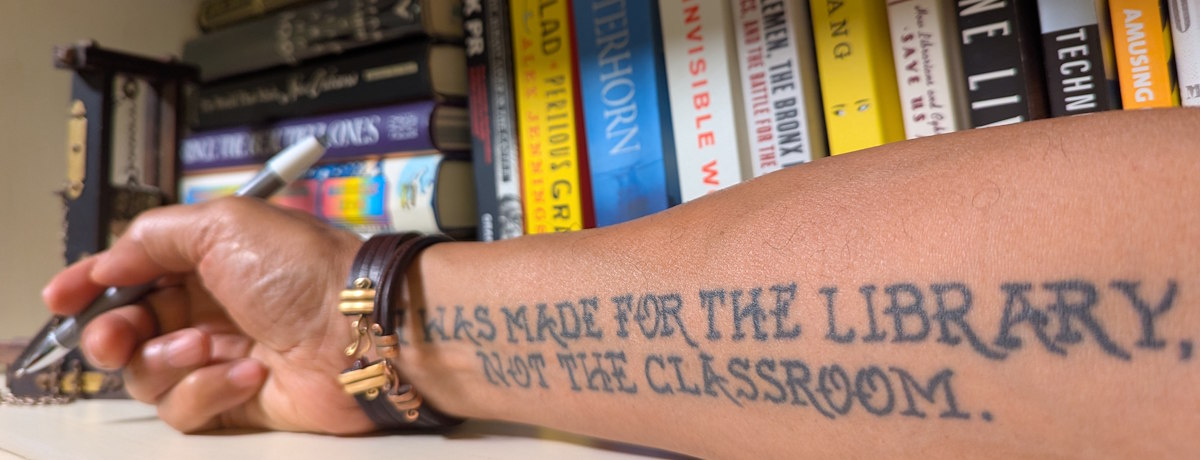
But what I fear, as things go digital, is that a lot of the visceral love of reading will be lost. Not the romance of paper — although, there is that — but that physical connection one gets with books from an early age. That climbing into the book my daughter is doing, the way she can’t turn the page fast enough when she’s excited, the way she flips it aside when she’s done. Of course, there will always be children’s board books. But the question is, as more and more parents spend more and more time with e-book readers…
via youtube.com If this is half as good as the trailer makes it seem like it could be, I'm going to love this movie. The music is absolutely perfect. Fingers crossed...
That said, for the most part, Valentine seems to work best with disciplined, selfless talent, most of whom are primed to buy in to his style of play. For instance, I think David Wright would do well with Valentine, but I think Jose Reyes would struggle. So, if the Mets intend to rely on the Gary Sheffields of the world, the Carlos Delgado, Valentine should never return. However, if the Mets plan to build a team around hit-and-runs, less power and more doubles in the gap, timely stolen bases, bunting, a versatile bullpen, and basically play chess on a baseball field, Valentine is the best…
"It is the glory and the burden of public schools that they cater to all of our children, whether delinquent or obedient, drug-damaged or clean, brilliant or handicapped, privileged or scarred." - Benjamin R. Barber Three years ago, my wife (Salomé) was accepted into NYC's Teaching Fellows Program, and left the corporate world to become a special education teacher in Hunts Point, one of the worst neighborhoods in the Bronx. Unlike many who enter the program as an escape from corporate life, with fantasies of early dismissal and summer vacations, she was primarily inspired by the ups and downs we…
After a couple of weeks on Storytlr, I don't love it. It's much too inconvenient to use (posting via web is the only method that works well) and it doesn't appear to have any active development going on. Also, its primary gimmick of combining sources to tell a "story" is rather limited, and isn't terribly appealing or relevant to me, so I'm not putting any more energy into it. Posterous is intriguing, though, offering simple posting via email and SMS, plus integration with Flickr; exactly what I'm looking for in advance of our Route 66 trip. Plus, it has a…
A book’s success is too important to entrust to somebody who doesn’t have a stake in it. Editors are already fierce enough advocates to have persuaded their bosses to let them acquire the books in the first place; why not let them keep on advocating?
Hogan, GalleyCat’s Senior Editor, makes a valid point — that an editor’s name should theoretically have some pull with readers — but it’s undermined by the tiresome meme that social media will be publishing’s savior, and a misguided sense of entitlement, implying that publishers are preventing editors from establishing an influential public voice of their own.
Social media are excellent tools for building personal brands — the jury’s still out on where they fit within the corporate picture — and their primary appeal is that they’re free for anyone to use. Just like authors are expected to build themselves a platform before seeking out a publishing deal, editors should be doing the exact same thing for themselves.
It’s not rocket science, it’s free, and no one’s permission is required.
No matter who your editor is, or what their influence (or lack thereof) with readers might be, though, when it comes down to it, the best, most passionate promoter of a book is going to be its author.
There’s a hand-painted sign that hangs over my desk at work, that my wife picked out years ago at a crafts fair in Virginia, that says:
“I’m not bossy, I just have better ideas.”
Anyone that’s worked with me, reads this blog, or follows me on Twitter, probably isn’t the least bit surprised by that. Publishing and marketing have been twin passions of mine forever — in high school, I published a newsletter for my fantasy football league, using my Commodore 64 and The Newsroom software — and I’ve been fortunate to have a day job related to them, in one form or another, for over 15 years now. I’m generally a laid-back guy, but when it comes to certain topics, I can be quite outspoken; that’s partly where the “loudpoet” moniker came from, a riff on the influential Aloud: Voices From the Nuyorican Poets Café.
At the beginning of this year, I shifted the focus of this blog firmly in the direction of those particular passions, with the goal of establishing loudpoet.com as an outlet to voice my opinions on things in the industry that had previously been limited to backchannel emails and happy hour debates with friends and colleagues. Poking back through the archives, the combination of Twitter and the Tools of Change Conference really got me going, with the discussion on the former about the latter’s “Building Communities Around Content” session leading to the first notable wave of connections being made there and traffic being driven here.
Since then, I’ve written several posts that I consider to be must-reads, including the four noted as “Features” over in the right-hand column, but the word cloud above, generated via the blog’s RSS feed at Wordle.net, highlights two prominent words that best represent what this blog is really all about: community and people.